The Benefits of Supporting a Local Pizza Restaurant

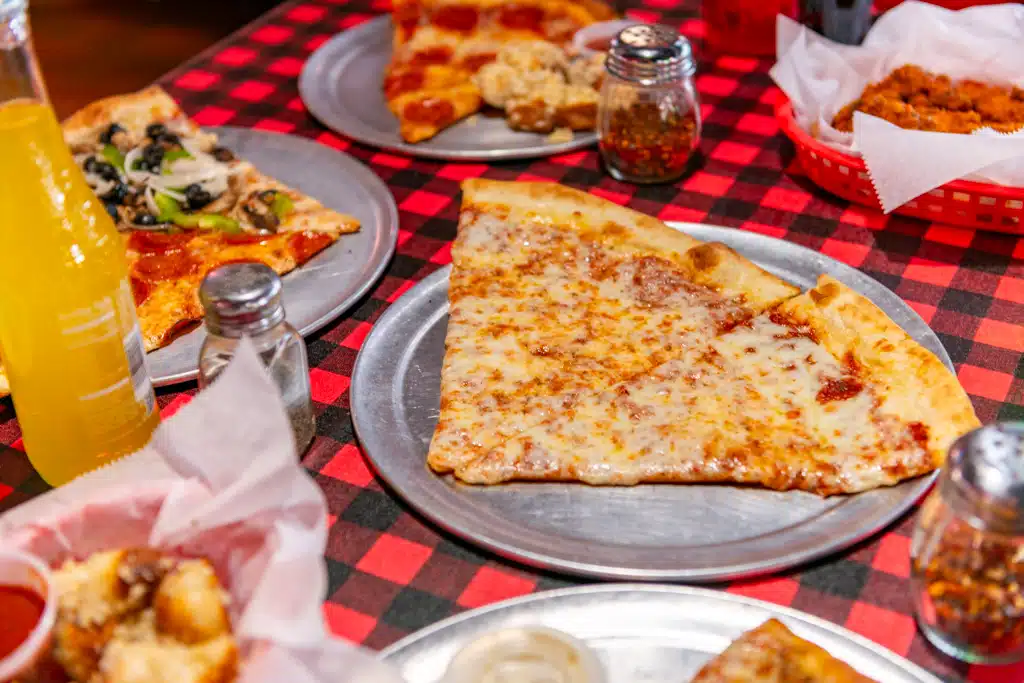

A local pizza restaurant rarely survives on novelty alone. It survives on repeat business, neighborhood trust, and the kind of consistency that people remember on a Friday night when nobody wants to cook. That may sound simple, but there is a lot going on behind the counter of a small independent shop. Every order affects payroll, ingredient purchasing, delivery schedules, rent, and the confidence an owner has to keep investing in the business.
People often talk about supporting local businesses in broad, feel-good terms. With a neighborhood pizza place, the benefits are much easier to see. You can taste the difference in the dough, notice the owner greeting regulars by name, and watch how money spent there circulates back into the same community. Supporting a local pizza restaurant is not only a sentimental choice. It is a practical one that affects quality, service, jobs, and the character of the area where you live.
What your order really supports
When you buy a pizza from a local operator, the money does not disappear into a distant corporate structure. A good share of it stays close to home. It goes toward wages for local staff, lease payments to local property owners, repairs from area contractors, and purchases from nearby food distributors and service providers. Even when ingredients come through regional supply chains, the decision-making is local, and that matters.
Independent restaurant owners usually wear several hats at once. They may handle scheduling in the morning, meet a produce vendor before lunch, jump onto the make line during the dinner rush, then stay late to review food costs. Supporting that business means supporting a person, or a family, taking a real risk in your community. Their margins are often thin. A few busy weekends can stabilize a month, while a few slow ones can create immediate pressure.
This is one reason local restaurants tend to remember their regulars so well. They understand the value of loyalty because they feel it directly. At a large chain, one ticket is one more transaction. At a neighborhood pizza restaurant, a regular customer can be the difference between confidence and uncertainty in a given week.
Better odds of getting food made with care
Pizza can look simple from the outside. Dough, sauce, cheese, toppings, heat. In practice, every one of those parts can be handled well or poorly. A local shop often has more freedom to make choices based on taste rather than strict corporate cost formulas. That can mean longer dough fermentation, a house-made sauce, higher quality mozzarella, or seasonal specials that reflect what is actually available and worth serving.
Anyone who has spent time around independent kitchens knows that good pizza starts long before the oven. Dough may be mixed a day or two in advance to develop flavor and structure. Sauce may be adjusted depending on tomato acidity. Cheese blend, bake time, and even box ventilation all affect what reaches your table. A local owner has an incentive to obsess over these details because customers will notice, and because reputation is built meal by meal.
That does not mean every local place is automatically better than every chain. Some independents are inconsistent, undercapitalized, or still finding their footing. But the ceiling is usually higher. A strong neighborhood pizza restaurant can refine its product in ways that chains struggle to match because it is not trapped by a one-size-fits-all operating manual. If customers ask for a crispier crust, a different sausage, or a better vegetarian option, a local owner can often respond quickly.
There is also a certain honesty to smaller operations. You can often tell when a place cares about ingredients because the menu is built around what the kitchen can execute well, not around dozens of promotional items designed to move volume. A focused menu is usually a good sign. So is a staff that can explain the difference between pies without reading from a script.
A neighborhood anchor, not just a place to eat
A pizza restaurant can shape the rhythm of a block more than people realize. It becomes a casual meeting point, a reliable dinner option after youth sports, a quick stop after school events, a place where neighbors run into each other without planning to. Not every community space has to be formal or expensive. Sometimes it is a booth by the window and the smell of dough in the oven.
Local restaurants help create what chains often imitate but rarely produce on their own, which is genuine sense of place. The walls may feature photos from local teams, flyers for nearby fundraisers, or artwork from students. Staff know the names of teachers, coaches, and delivery customers. During storms, holidays, and difficult stretches for a neighborhood, these places often become informal support systems. They donate gift cards, sponsor little league teams, or stay open late after an event when people need somewhere familiar to gather.
That matters more than it may seem. Communities are stronger when people have repeated, low-pressure points of contact with one another. A local pizza restaurant provides exactly that. You do not need a reservation, special occasion, or big budget. You just show up.
Local jobs with a visible human impact
Restaurant work is demanding. It requires speed, memory, coordination, and stamina. Supporting a local pizza restaurant helps keep those jobs in the community, from prep cooks and cashiers to drivers, shift leads, and kitchen managers. For many workers, especially young people, restaurants are where they first learn how to handle responsibility under pressure.
A well-run local shop can be a meaningful training ground. Staff learn timing, communication, customer service, and problem-solving. They learn what happens when a rush hits and ten orders are due at once. They learn to recover from mistakes without losing composure. Those skills travel far beyond the restaurant industry.
There is also a practical labor benefit that customers do not always see. Local owners often have more flexibility to reward strong employees with better schedules, expanded responsibilities, or gradual wage increases based on direct observation, not just corporate policy. The best independent operators understand that retention matters. A stable crew usually means better food and better service because the team knows the systems, trusts each other, and takes pride in the place.
This is not to romanticize the work. Restaurant jobs can be physically tiring and financially precarious, especially when business slows. But supporting local sales gives owners more room to keep people employed, invest in training, and avoid constant turnover.
Service tends to be more personal, and more accountable
One of the clearest advantages of a local pizza restaurant is accountability. If your order is wrong at a chain, you might speak to a rotating manager who follows a standard policy and moves on. At an independent shop, the person addressing your issue may be the owner, or someone who works closely with the owner every day. That changes the conversation.
Independent operators know they cannot afford indifference. If a family has a bad experience, there is a decent chance they will tell neighbors, post about it locally, and not return. On the positive side, when a business solves problems well, customers remember that too. A replacement pie delivered quickly, a thoughtful response to a dietary concern, or a staff member who catches a repeat order pattern and confirms a customization can turn ordinary service into loyalty.
Many local restaurants also become better at reading the preferences of the area. In one neighborhood, families may want larger pies and mild flavors. In another, customers may care deeply about a charred crust, hot honey, or better gluten-free options. Independent shops are often nimble enough to adjust because they are not waiting on a regional office to approve small changes.
That flexibility is especially valuable for special requests. Parents ordering for a child with sensory preferences, customers with ingredient concerns, and offices coordinating large lunch orders often find that a local team can be easier to work with. The restaurant is close enough to care, and small enough to listen.
The menu reflects the people who live nearby
There is a reason some local pizza menus feel more memorable than chain menus. They are usually shaped by real customer behavior. A family-owned shop may add a white pie because regulars kept asking for one. A neighborhood with strong Italian American roots may support a classic thin crust and meatball pie. A college area may push demand for late-night slices and creative toppings. A downtown business district may want efficient lunch specials and salads that hold up well for takeout.
That kind of menu evolution is healthy. It gives the restaurant a personality that belongs to the neighborhood, not a national branding team. Some of the best local places balance crowd-pleasers with a few signatures that make them distinctive. Maybe it is a vodka sauce pie with basil added after the bake. Maybe it is a pan pizza with caramelized edges. Maybe it is a house sausage recipe the kitchen has used for years.
When you support a local pizza restaurant, you help preserve culinary variety. If every area relies on the same large brands, menus flatten out. Choice starts to look broad on paper but narrow in reality. Local businesses keep food culture from becoming interchangeable.
Speed is not the only measure that matters
Large chains often compete on convenience, and to be fair, that can be useful. Standardized apps, national promotions, and tightly engineered delivery systems have appeal. Local restaurants do not always win on pure efficiency. Some are excellent with online ordering and dispatch. Others still rely more heavily on phone orders, smaller delivery zones, or handwritten modifications at peak hours.
That is the trade-off customers should understand clearly. Supporting local sometimes requires a little patience. The wait may be ten minutes longer on a busy Saturday. The website may be less polished. The loyalty program may be a punch card instead of an app. What you usually get in return is a meal made with more attention, by people who have a direct stake in whether you come back.
In practice, many customers find that the trade is worth it. A pizza that arrives hot, balanced, and well made beats a faster one that feels generic. And once you become a regular, service often gets smoother. Staff recognize your address, know your usual order, and can give realistic pickup times instead of optimistic ones.
Resilience during hard times
Independent restaurants often reveal their importance most clearly during difficult periods. During bad weather, road closures, local emergencies, or economic slowdowns, neighborhood businesses are often among the first to adapt. They change hours, trim menus, pivot to takeout, and communicate directly with customers. They cannot retreat behind a large corporate buffer, so they respond in real time.
Many people saw this firsthand over the past several years. Restaurants that already had strong local support often had a better chance of surviving because customers made a point of ordering directly, buying gift cards, tipping generously, or spreading the word. The loyalty was not abstract. It kept ovens on and staff working.
This resilience has a practical side for the community. When a local restaurant survives, a storefront stays active, jobs remain in place, and the block retains energy. Empty restaurant spaces can drag down nearby foot traffic and weaken surrounding businesses. A thriving pizza restaurant does the opposite. It draws people in, especially during evening hours when other retail may be closed.
Why ordering direct makes a difference
One habit that helps local restaurants more than many customers realize is ordering direct whenever possible. Third-party delivery platforms offer convenience and visibility, but the fees can be painful for independent operators. Depending on the arrangement, those commissions can take a significant share from each order. For a business already managing tight food and labor costs, that margin matters.
If you want to support a local pizza restaurant in a meaningful way, a few simple choices go a long way:
- Order through the restaurant’s own website or by phone when possible.
- Pick up your order if it is convenient, especially during busy delivery windows.
- Leave detailed, fair reviews that mention specific strengths.
- Be patient with peak-hour delays and communicate issues respectfully.
- Tip well when service is good, particularly for drivers and front-of-house staff.
These are small acts from the customer side, but restaurants feel them immediately. Better margins create room for better staffing, equipment upgrades, cleaner facilities, and steadier quality.
Supporting local keeps ownership local
Ownership influences more than accounting. It influences standards, priorities, and long-term decision-making. A local owner usually thinks about the business in terms that extend beyond quarterly reporting. They care about whether the restaurant is something their family can be proud of, whether staff stay with them, and whether neighbors recommend them without hesitation.
That local ownership often leads to practical reinvestment. Maybe the shop finally replaces an aging oven deck, repaints the dining room, upgrades refrigeration, or starts using better flour. Those improvements happen because the business has enough support to think beyond immediate survival.
There is also a civic value in having independent owners in a community. It diversifies the local economy. Instead of concentrating commercial control among a small number of large corporations, it spreads opportunity among people who live nearby and understand local needs firsthand. A neighborhood with strong independent food businesses usually feels more distinct, more resilient, and more https://landentssv111.ironwoodscope.com/posts/how-a-pizza-restaurant-can-elevate-comfort-food-classics economically alive.
The experience is often richer than the transaction
The best local pizza restaurants are not perfect, but they are memorable. You remember the server who talked you into trying the fennel sausage pie and was right. You remember the owner checking whether the team fundraiser order was set for the correct pickup time. You remember the cook sliding a pie onto the counter and calling out your name over the dinner rush. Those details are not just atmosphere. They are evidence of a business operating at a human scale.
That human scale changes the dining experience. It makes room for recognition, adaptation, and pride. Even takeout feels different when the people making your food know they may see you again next week. There is a feedback loop in local restaurants that simply works better for customers who care about quality. If something is excellent, you can say so and know it lands with the people responsible. If something slips, your feedback has a better chance of shaping what happens next.
Supporting a local pizza restaurant is ultimately a vote for that kind of economy and that kind of neighborhood life. It says food should taste like someone cared. It says jobs should exist close to home. It says a business can be both commercially viable and personally rooted. And on a more ordinary level, it says the meal at the end of a long day should come from a place with a face, a voice, and a stake in the street where you live.
A good pizza restaurant does more than feed a neighborhood. It helps hold one together.
RUFFRANO'S HELL'S KITCHEN PIZZA Security
385 Main St, Colorado Springs, CO 80911
(719) 390-4355
FAQ About pizza restaurant
Is there a Hell's Kitchen pizza restaurant in Security-Widefield?
Yes. Ruffrano's Hell's Kitchen Pizza has a Security-Widefield location at 385 Main St.
Where can I find pizza delivery in Security-Widefield?
Ruffrano's Security location offers online ordering. Enter your address at checkout to check delivery availability and fees.
Where can I find gluten-free pizza in Security-Widefield?
Ruffrano's menu lists a 12-inch gluten-free option. Call the Security location to confirm availability and ask about shared equipment if cross-contact is a concern.