How Jamaican Food Continues to Inspire Food Lovers
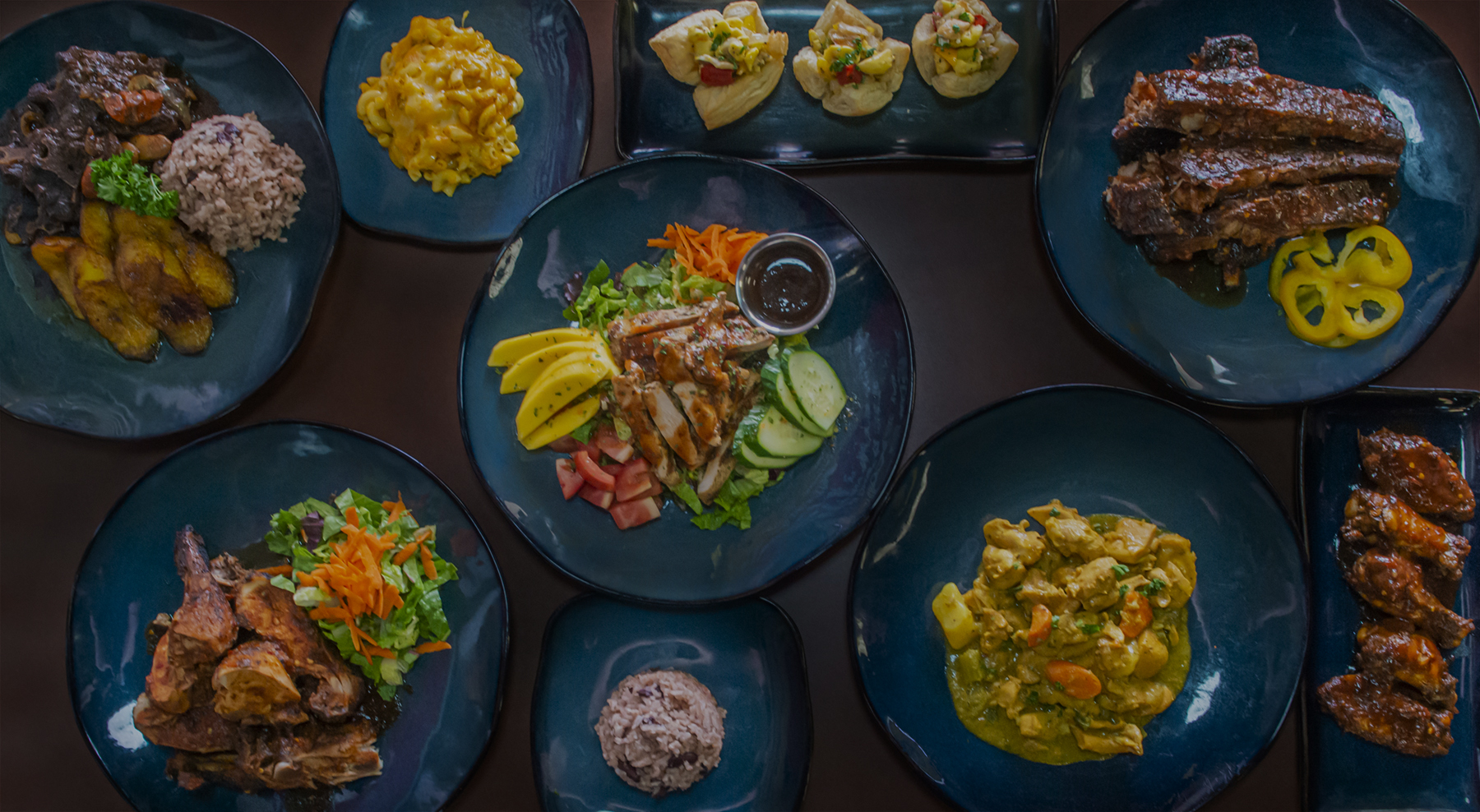
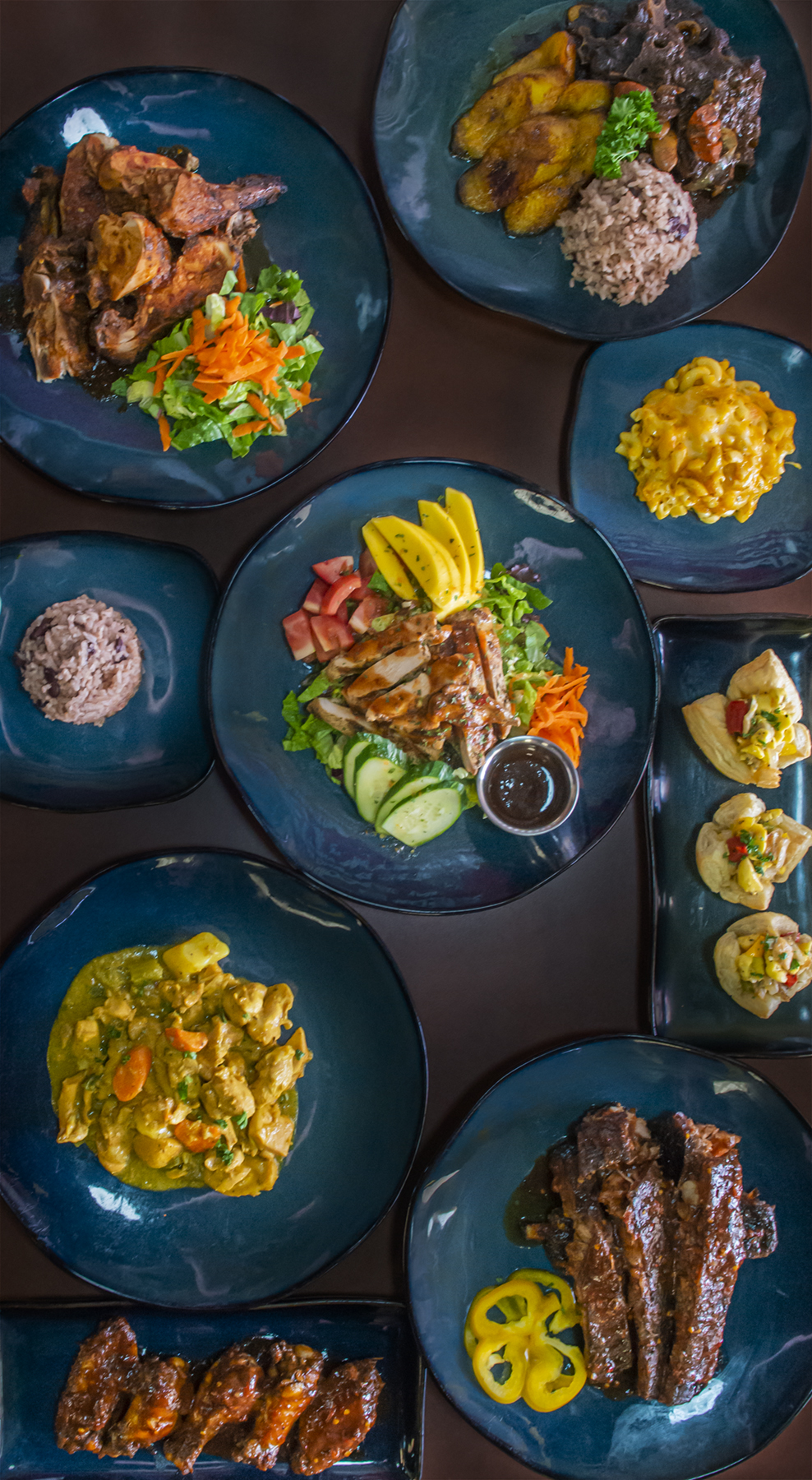
Jamaican food has a way of staying with people. Sometimes it is the first bite of properly cooked jerk chicken, smoky from pimento wood and bright with Scotch bonnet heat. Sometimes it is a bowl of curried goat that carries spice, sweetness, and depth in the same spoonful. Sometimes it is simpler than that, a flaky beef patty eaten standing up, or a breakfast of ackee and saltfish that changes what someone thinks a savory morning meal can be. However it arrives, Jamaican food rarely feels forgettable.
Its influence reaches far beyond the island. You can see it in neighborhood takeout spots in London, family-run restaurants in Toronto, beachside grills in Florida, and new menus from chefs who grew up with Caribbean flavors and now bring them into broader contemporary cooking. You can also see it in the home kitchen, where cooks borrow jerk seasoning for grilled vegetables, use allspice in rubs and stews, and learn that the combination of fire, sweetness, acidity, and smoke can make familiar ingredients taste entirely new.
What keeps Jamaican food so compelling is not novelty for its own sake. The cuisine has deep roots, shaped by Indigenous knowledge, African foodways, European colonial history, Indian and Chinese influence, and the practical reality of cooking with what the land, sea, and market provide. It is layered food, not only in flavor but in story. People respond to that, even when they cannot immediately name why.
A cuisine built on memory, adaptation, and intensity
The most memorable cuisines tend to do two things at once. They comfort and surprise. Jamaican food does both with remarkable ease.
At its core, the cooking values bold seasoning, careful balancing, and a respect for ingredients that often came from necessity. Salted fish, root vegetables, rice, beans, off-cuts, and cheaper proteins became the basis for some of the island’s most loved dishes. Over time, these ingredients were refined through technique and taste until they became expressions of pride rather than compromise. That matters. Food lovers are often drawn to cuisines with that kind of history because the flavor feels earned.
Jamaican cooking also understands contrast better than many cuisines that get reduced to a single note. Outsiders sometimes talk about it as if everything is simply spicy. Anyone who has spent time eating across Jamaican menus knows better. Heat is important, but heat alone is never the point. The real pleasure comes from tension and release. Scotch bonnet pepper brings fruitiness as well as fire. Browning adds slight bitterness and sweetness. Lime cuts richness. Thyme and scallion lift heavy stews. Coconut milk softens curry. Pickled vegetables sharpen fried dishes. The best plates feel alive because nothing sits flat.
This balance is part of why jamaican food continues to travel so well. Even when ingredients shift slightly in different countries, the central logic of the cooking holds. It remains food with structure and personality.
Jerk, perhaps the most recognizable ambassador
If one style of cooking introduced the world to Jamaican flavor, it is jerk. Yet jerk is also one of the most misunderstood.
Real jerk is not a generic spicy marinade. It is a method, a seasoning approach, and a cultural marker. Traditional jerk relies on allspice, Scotch bonnet pepper, thyme, scallion, ginger, garlic, and often cinnamon or nutmeg, depending on the cook. The meat, commonly chicken or pork, is seasoned deeply and cooked low and slow over wood, often pimento wood, so the smoke becomes part of the seasoning itself.
When jerk is done well, the heat does not punch blindly. It unfolds. First comes smoke, then spice, then herbal brightness, then the slow bloom of pepper. There is often some sweetness as well, whether from sugar, browning, or the natural caramelization that comes from the grill. Food lovers remember that sequence. It gives them more to think about than a one-note hot sauce ever could.
Part of jerk’s appeal is that it feels primal and modern at the same time. It speaks to open-fire cooking, one of the oldest forms of preparation, yet it also fits seamlessly into contemporary food culture, where diners crave dishes with regional identity and strong sensory impact. That is why jerk appears not just in traditional restaurants but in sandwiches, tacos, grain bowls, pizza toppings, and tasting menus. Some of those interpretations are thoughtful. Some flatten the tradition into a flavor label. The difference usually comes down to whether the cook understands that jerk is built on depth, not just heat.
The ingredients that give Jamaican food its signature voice
There are certain ingredients that act like a fingerprint. In Jamaican food, a few stand out immediately.
Allspice, called pimento in Jamaica, is one of the most important. Its flavor suggests clove, cinnamon, pepper, and nutmeg at once, which makes it unusually powerful in both dry rubs and braises. Scotch bonnet peppers are another defining element. They are hot, certainly, but they also bring a floral, almost tropical aroma that distinguishes them from sharper, flatter chilies. Thyme, scallion, onion, and garlic build the savory foundation of countless dishes. Ginger adds freshness and warmth. Coconut milk lends body to rice, stews, and desserts. Browning sauce deepens color and flavor. Saltfish brings salinity and character that fresh fish simply cannot replicate.
Then there are the starches and staples that give meals their shape. Rice and peas, usually made with kidney beans or gungo peas depending on the season and household, is not just a side dish. Done properly, it is fragrant with thyme, scallion, and coconut milk, and can be as satisfying as the main protein beside it. Plantain offers sweetness and soft texture. Yam, green banana, dumplings, and breadfruit turn a meal into something substantial and grounding.
For food lovers, these ingredients are exciting because they do not merely season the food. They define the rhythm of a Jamaican meal. A plate is often built around contrast in texture as much as contrast in flavor. You might have tender stewed meat, fluffy rice, a fried sweet plantain edge, and the snap of slaw or pickled vegetables on the same plate. That variety keeps the palate engaged.
Why the classics still win people over
There are trendy foods that flash bright and then fade. Jamaican staples have shown unusual staying power because they satisfy on several levels at once.
Ackee and saltfish is a good example. For someone unfamiliar with it, the dish can seem modest. Then the plate arrives, and the aroma tells a different story. Salt cod is sautéed with onion, tomato, thyme, and Scotch bonnet, then folded into ackee, the island’s national fruit, which when cooked takes on a soft, delicate texture almost like scrambled eggs. The dish is savory, slightly buttery, and full of personality. It does not imitate another breakfast tradition. It stands on its own.
Oxtail offers a different kind of appeal. Slow-cooked until the meat relaxes off the bone, often with broad beans and rich gravy, it delivers exactly what people want from a braise. Depth, stickiness, gelatin, and spice. Dishes like this have become increasingly prized in many cities because they answer a hunger for comfort that feels serious rather than sentimental.
Curried goat remains one of the best examples of how Jamaican cuisine absorbs outside influence and makes it its own. Curry came through Indian indentured laborers, but Jamaican curry developed a profile shaped by local spices, local heat, and local taste. The result is something distinct from Indian curry traditions while still honoring that history of migration and exchange.
Then there is the patty, perhaps the most democratic item in the whole canon. It can be breakfast, lunch, after-school food, road-trip food, or a late snack. A good patty should have a pastry shell that is crisp but not dry, rich with fat and color, and a filling that is well-seasoned enough to stand up to the crust. Beef is the standard bearer, but chicken, vegetable, saltfish, and spicy variations have loyal followings. The best versions remind you that hand-held food can still carry craft.
Jamaican food and the appeal of honest technique
One reason food lovers return to Jamaican cuisine is that the food reveals the hand of the cook. It is difficult to fake. A stew either has the patient reduction that gives it body or it does not. Jerk either carries smoke and proper penetration of seasoning or it tastes superficial. Fried fish either comes out crisp and juicy or it comes out tired. Rice and peas either has fragrance and separation or it slumps into heaviness.
This honesty is deeply appealing in an era when many dishes are designed first for appearance. Jamaican food can look beautiful, but its beauty usually comes from abundance and confidence rather than delicate styling. Gravy glistens. Pepper sauce catches the light. The yellow of plantain or patty pastry pulls the eye. Steam rises from a foil pan. You know what the food is asking of you, and it asks directly.
That directness also makes the cuisine rewarding for cooks. Home cooks learn quickly that seasoning is not an afterthought. The phrase "season to the bone" exists for a reason. Jamaican food teaches discipline in marination, in layering aromatics, in understanding when to sear, when to simmer, and when to let smoke do the talking. For many people who enjoy cooking, that is part of the fascination. The dishes are approachable enough to try, but they punish shortcuts.
The diaspora has carried the cuisine, and expanded it
The global life of Jamaican food owes a great deal to migration. Across the United Kingdom, Canada, and the United States, Jamaican communities built restaurants, bakeries, takeout counters, and catering businesses that did more than feed homesick customers. They educated entire cities.
In London, the role of Caribbean food in shaping everyday eating is hard to overstate. Patties, jerk chicken, bun and cheese, and rice and peas became familiar to people far outside the community. In Toronto, Jamaican restaurants became fixtures in neighborhoods where office workers, students, taxi drivers, and families all lined up for lunch. In New York and South Florida, Jamaican food moved from community anchor to wider mainstream recognition, helped by a younger generation of chefs and entrepreneurs who understood both heritage and branding.
What is notable is how the cuisine has evolved without losing its center. Diaspora cooks adapt to local produce, different cuts of meat, changing health concerns, and new customer expectations. Some reduce salt. Some make vegetarian versions of classics. Some fuse Jamaican seasoning with other culinary traditions. These changes can be productive when they come from knowledge rather than trend-chasing.
There is always a tension in diasporic food between preservation and evolution. Jamaican food handles that tension unusually well because its identity is rooted less in rigid formulas and more in flavor logic. If the balance of spice, savoriness, heat, and texture remains true, the cuisine can stretch without breaking.
A cuisine that rewards curiosity
Food lovers are often at their happiest when a cuisine offers layers to explore. Jamaican food does that beyond the best-known dishes.
There is mannish water, rich and peppery, often associated with gatherings and celebrations. There is escovitch fish, where crisp fried fish meets the sharp brightness of pickled vegetables. There is rundown, often with mackerel simmered in seasoned coconut milk until the sauce turns savory and intense. There are soups built with yam, pumpkin, dumplings, and meat, substantial enough to serve as a meal. There are holiday traditions like sorrel drink and Christmas cake, each carrying their own rituals and expectations.
Dessert deserves more attention than it often gets. Jamaican sweets tend to avoid daintiness. Sweet potato pudding, toto, grater cake, gizzada, and rum cake aim for flavor and substance. They are often spiced, dense, coconut-rich, or soaked with syrup and spirits. These are desserts made by people who understand that sweetness works best when it has texture and backbone.
That range matters because it keeps jamaican food from becoming trapped by its stereotypes. Many first-timers arrive expecting only jerk and perhaps curry. The deeper they go, the more they discover a cuisine of soups, stews, bakes, porridges, puddings, and market snacks, each tied to region, season, or family custom. The discovery itself becomes part of the pleasure.
The role of street food and everyday eating
Some cuisines are best understood in formal dining rooms. Jamaican food reveals itself most clearly in ordinary settings.
A roadside jerk pan tells you a great deal about the culture of taste. So does a bakery case filled with patties and coco bread. So does a lunch counter where steam-table trays hold curry goat, stew peas, callaloo, fried chicken, and rice and peas. The food is accessible, filling, and designed to satisfy real hunger. Portions are usually generous. Flavors are unapologetic.
For food lovers, this kind of eating carries a special excitement because it narrows the distance between observer and participant. You do not need a reservation or a glossary. You need an appetite and a willingness to trust what locals are already ordering.
Some of the strongest meals I have had from Jamaican kitchens were served in simple containers, eaten with a plastic fork, at a picnic table or in a parked car while the aroma filled the space. Those meals made a point that many polished restaurants miss. Food can be deeply memorable without being performative. In fact, Jamaican food often shines brightest when it is not trying to impress anyone.
Health, modern preferences, and changing expectations
Like every living cuisine, Jamaican food now meets new questions from diners. Some want less oil, less salt, or fewer heavily processed ingredients. Others want plant-based versions of familiar plates. This is where the cuisine’s adaptability becomes useful.
Callaloo, steamed cabbage, pumpkin, beans, rice, plantain, and many ground provisions already provide a strong base for vegetable-forward eating. Ital cooking from the Rastafarian tradition has long offered a different framework, one that emphasizes natural foods and often avoids meat and processed additions. Contemporary cooks have also developed convincing jerk tofu, curried chickpeas, and vegan patties that honor Jamaican seasoning patterns without pretending to be something they are not.
Not every adaptation works. Some healthy rebrands strip away too much flavor in pursuit of virtue. Jamaican food, perhaps more than some cuisines, depends on bold seasoning and proper fat management. Remove the wrong element and the dish can collapse. The best modern interpretations understand this trade-off. They look for smarter technique rather than bland restraint, roasting instead of deep frying in some cases, building body with stock and reduction, or using fresh herbs more aggressively to maintain impact.
Why chefs keep returning to Jamaican flavors
Professional cooks are often drawn to Jamaican food because it offers both power and precision. The seasoning can be assertive, but it is not random. There is enough structure to reward serious study.
Jerk seasoning, for example, can teach a chef a great deal about managing aromatics in a high-heat environment. Curry goat teaches patience and the importance of marinating and browning before braising. Escovitch shows how acid and crunch can transform fried fish from heavy to vivid. Even a simple rice and peas can demonstrate timing, hydration, and the disciplined use of coconut milk.
Chefs also appreciate that Jamaican cuisine invites collaboration with local ingredients. In coastal areas, local fish can take to escovitch beautifully. Farmers’ market squash can work in soups and sides. Smoked meats and open-fire vegetables can learn from jerk principles without pretending to be traditional Jamaican dishes. This is one reason the cuisine continues to appear in restaurant kitchens beyond Caribbean establishments. It offers a framework, not just a fixed set of recipes.
Still, respect matters. There is a line between inspiration and extraction. The chefs who contribute most meaningfully tend to acknowledge the source, learn from Jamaican cooks, and avoid presenting borrowed flavors as their own sudden discovery.
The emotional pull is just as important as the flavor
People often explain their love of Jamaican food by talking about spice or aroma. Those things matter, but they are not the whole story. The cuisine also speaks to hospitality, celebration, and resilience.
A proper Jamaican meal often feels abundant even when it is made from humble parts. There is generosity in the seasoning, generosity in the portioning, generosity in the way side dishes turn a single protein into a full plate. At family gatherings and public celebrations alike, the food carries a social force. It is meant to be shared, argued over, compared to someone’s mother’s version, packed up for later, and remembered.
Food lovers respond to that emotional texture. They are not only chasing novelty. They want food with a pulse, food that clearly belongs somewhere and to someone. Jamaican food provides that sense of place and ownership in every serious version of itself.
What its continuing appeal says about global taste
The enduring popularity of Jamaican food tells us something useful about where food culture has gone. For all the trend cycles, diners still want meals that taste specific, rooted, and complete. They want cuisines that do not sand down their edges to please everyone. They want dishes with heat, smoke, acidity, and sweetness in dynamic balance. They want stories they can taste.
Jamaican food meets those desires without needing reinvention. It remains one of the clearest examples of a cuisine that can be deeply traditional and widely influential at the same time. It inspires because it is confident. It knows what it is. That confidence travels.
For the casual eater, it may begin with jerk chicken or a patty on the go. For the more committed food lover, it often turns into a longer relationship, one that includes breakfasts, soups, holiday drinks, market snacks, and family-style dinners. The more they learn, the more there is to appreciate.
That is the mark of a lasting cuisine. It draws people in with pleasure, then keeps them there with depth. Jamaican https://sethqddo362.opalvector.com/posts/a-closer-look-at-jamaica-s-most-iconic-food food has been doing exactly that for generations, and there is no sign of it slowing down.
Reggae Pot Jamaican Grill
7562 S University Blvd C, Centennial, CO 80122
(303) 997-5623
FAQ About jamaican food
What is the best Jamaican food to try in Centennial?
The best choice depends on your preferences. Reggae Pot Jamaican Grill offers jerk chicken, curry goat, oxtail, and escovitch snapper, along with sides such as rice and peas and fried plantains. Ask the restaurant about current availability and spice levels before ordering.
Is Jamaican food very spicy in Centennial?
Heat varies by dish and preparation. Jerk dishes can be hot, while some stews and sides are milder. Tell the restaurant your preferred heat level and ask which options suit you.
What is typically on a Jamaican menu?
Common choices include jerk chicken, curries, oxtail, fish, patties, rice and peas, and plantains. Reggae Pot also lists ackee and saltfish and vegetable dishes. Menus and availability can change, so confirm your choices when ordering.